The Benefits of Watermelon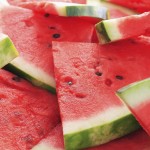
Watermelons are mostly water — about 92 percent — but this refreshing fruit is soaked with nutrients. Each juicy bite has significant levels of vitamins A, B6 and C, lots of lycopene, antioxidants and amino acids. There’s even a modest amount of potassium. Watermelon is actually considered a nutrient dense food, a food that provides a high amount of vitamins, minerals and antioxidants for a low amount of calories. There are five common types of watermelon: seeded, seedless, mini (also known as personal), yellow and orange. Many studies have suggested that increasing consumption of plant foods like watermelon decreases the risk of obesity and overall mortality, diabetes, heart disease and promotes a healthy complexion and hair, increased energy, overall lower weight.
Asthma prevention: The risks for developing asthma are lower in people who consume a high amount of certain nutrients. One of these nutrients is vitamin C, found in many fruits and vegetables including watermelon.
Blood pressure: A study published by the American Journal of Hypertension found that watermelon extract supplementation reduced ankle blood pressure, brachial blood pressure and carotid wave reflection in obese middle-aged adults with prehypertension or stage 1 hypertension and that watermelon extract improved arterial function.
Diets rich in lycopene may help protect against heart disease.
Cancer
As an excellent source of the strong antioxidant vitamin C as well as other antioxidants, watermelon can help combat the formation of free radicals known to cause cancer. Lycopene intake has been linked with a decreased risk of prostate cancer prevention in several studies.
Digestion and regularity
Watermelon, because of its water and fiber content, helps to prevent constipation and promote regularity for a healthy digestive tract.
Inflammation
Choline is a very important and versatile nutrient in watermelon that aids our bodies in sleep, muscle movement, learning and memory. Choline also helps to maintain the structure of cellular membranes, aids in the transmission of nerve impulses, assists in the absorption of fat and reduces chronic inflammation.1
Muscle soreness: Watermelon and watermelon juice have been shown to reduce muscle soreness and improve recovery time following exercise in athletes. Researchers believe this is likely do to the amino acid L-citrulline contained in watermelon.
Skin
Watermelon is also great for your skin because it contains vitamin A, a nutrient required for sebum production that keeps hair moisturized. Vitamin A is also necessary for the growth of all bodily tissues, including skin and hair.
Adequate intake of vitamin C (one cup of watermelon provides 21% of daily needs) is also needed for the building and maintenance of collagen, which provides structure to skin and hair. Watermelon also contributes to overall hydration, which is vital for having healthy looking skin and hair.
Watermelon Vitamin Content
One cup of diced watermelon (152 grams) contains 43 calories, 0 grams of fat, 2 milligrams of sodium, 11 grams of carbohydrate (including 9 grams of sugar) and 1 gram of fiber. One cup of watermelon will provide 17% of vitamin A, 21% of vitamin C, 2% of iron and 1% of calcium needs for the day.
Watermelon also contains thiamin, riboflavin, niacin, vitamin B-6, folate, pantothenic acid, magnesium, phosphorus, potassium, zinc, copper, manganese, selenium, choline, lycopene and betaine.